Rooted: Conserving a Family Legacy in Penobscot


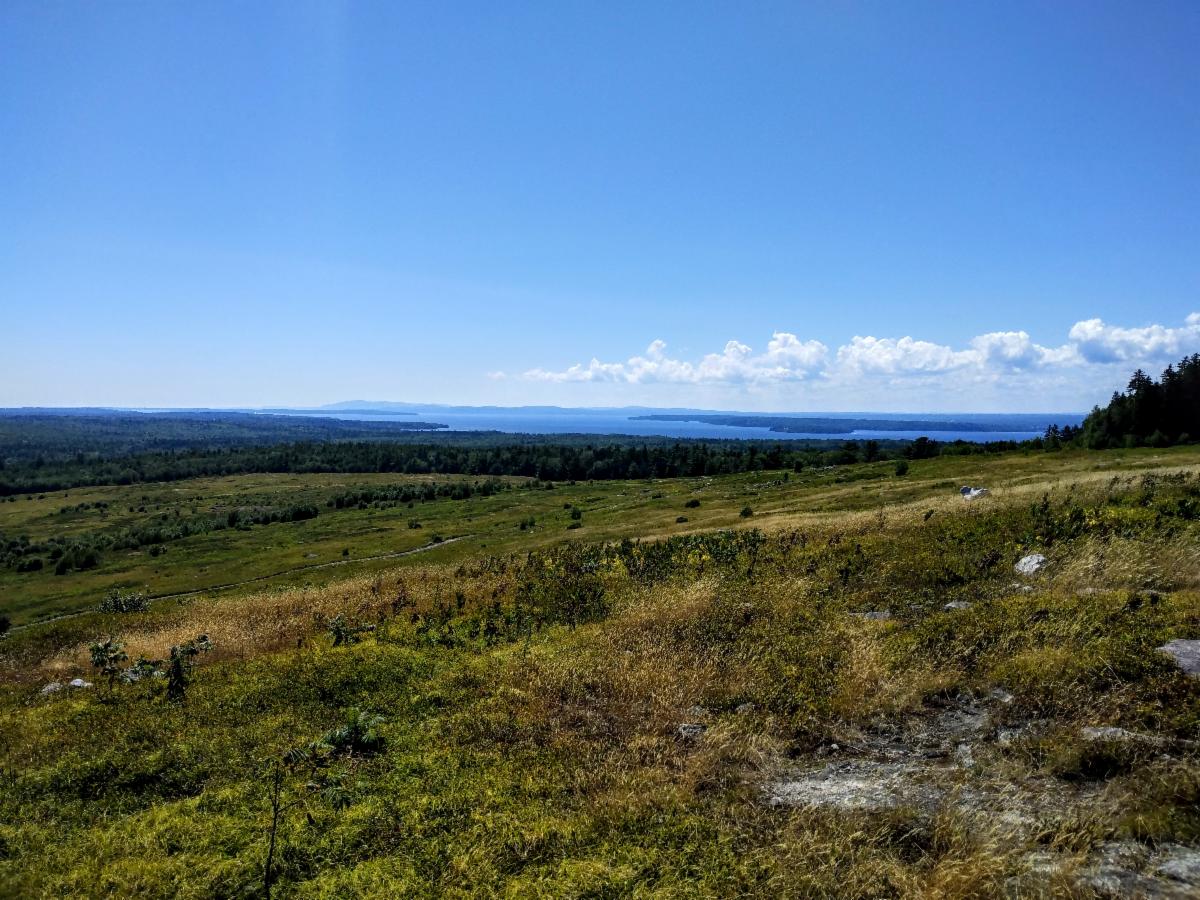
Located in the heart of Penobscot, Wallamatogus Mountain stands proudly, with sweeping views of Northern Bay, the Bagaduce River, and the hills of Castine and Brooksville. You can wander through abundant blueberry fields, walk old logging roads, and wind through the woods admiring the incredible scenery!

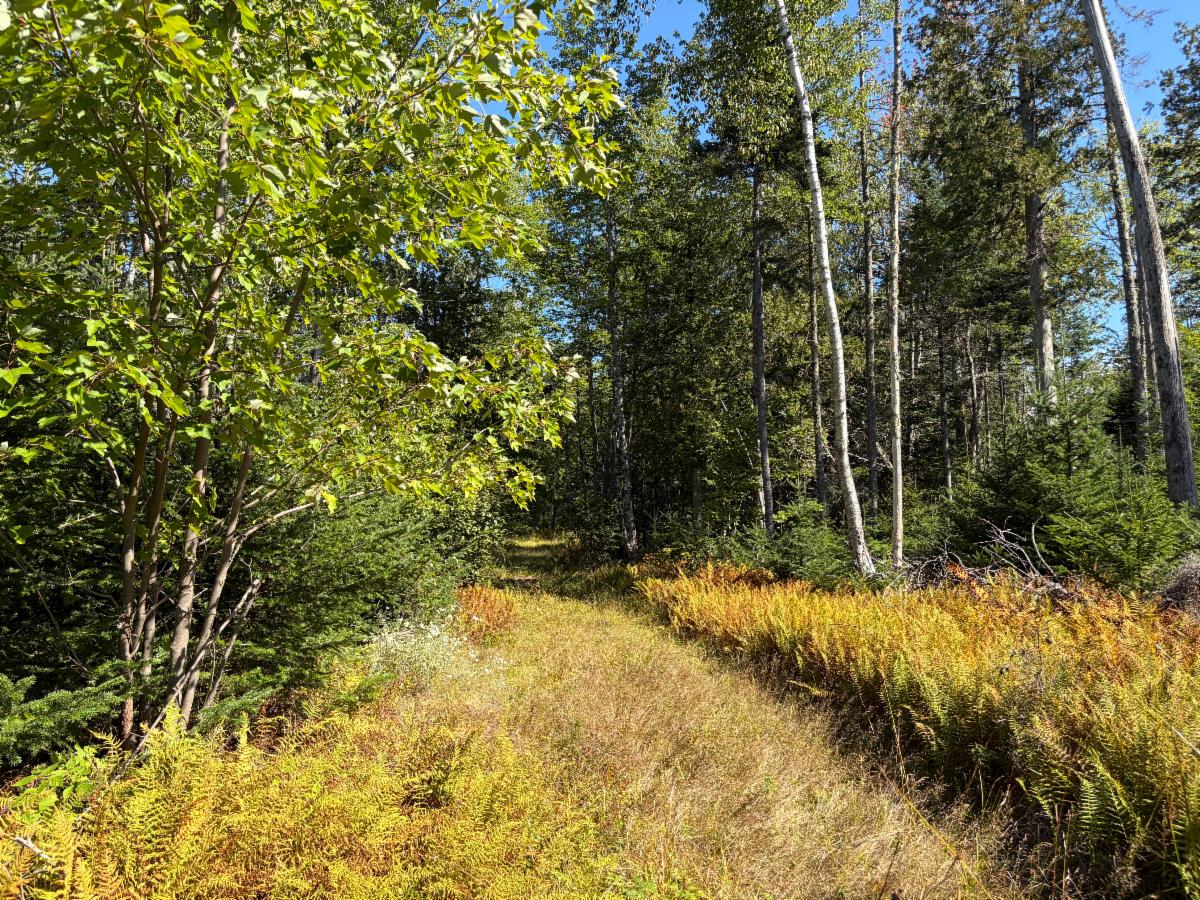
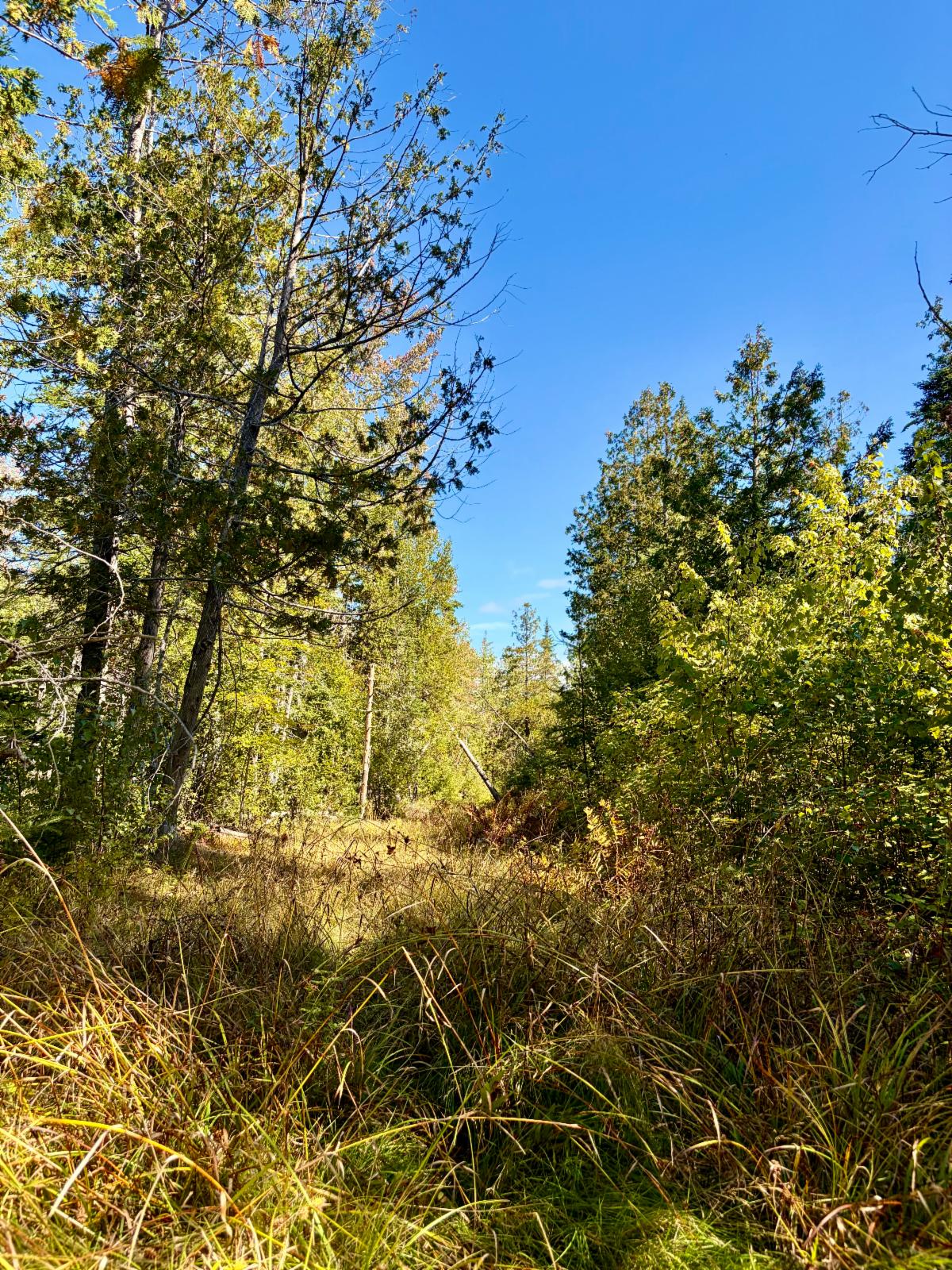
Next door, you will find a place that has been tended to and cherished for hundreds of years. A place where the mystical Clements Brook meanders through mature stands of maple and spruce. A place where wildlife roam and many call home. A place where land meets the sea. A place where fond memories have been had along with lots of laughs. A place of extraordinary beauty. A place full of love and care.

You will find the Austin parcel.

A Family History of the Land
By Libby Rosemeier, Margie Gray, Jodelle Austin and Ron Austin

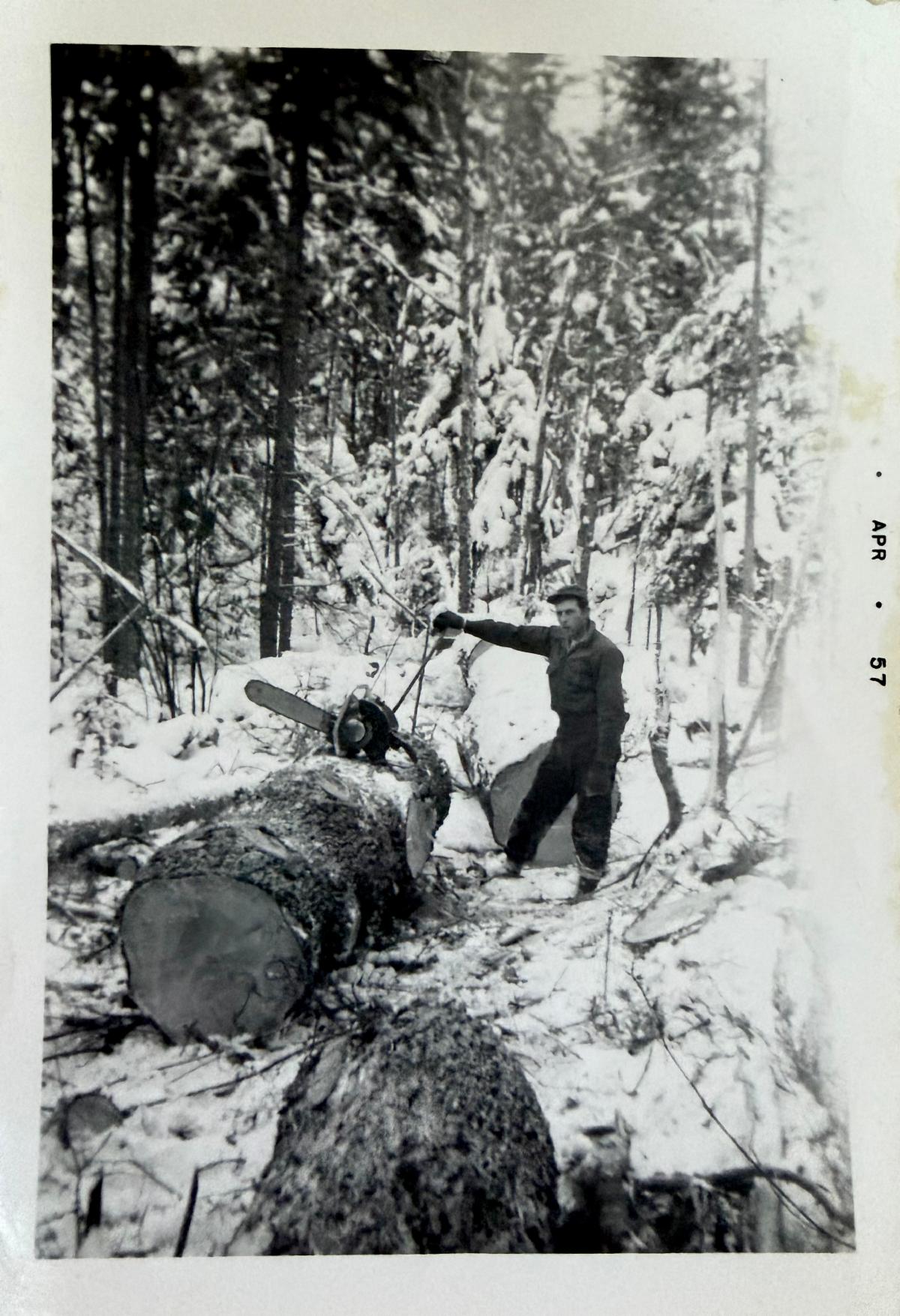
“This land has been in our family for over 200 years. Our family has always had a strong connection to the land and were very good stewards for this piece of property we call ‘The Woodlot.’ Our dad, James Austin, and his brother, Norris (Buster) Austin, along with their father, Herman, sawed the wood to make lumber in their sawmill. Their business was called ‘H.W. Austin and Sons.’”

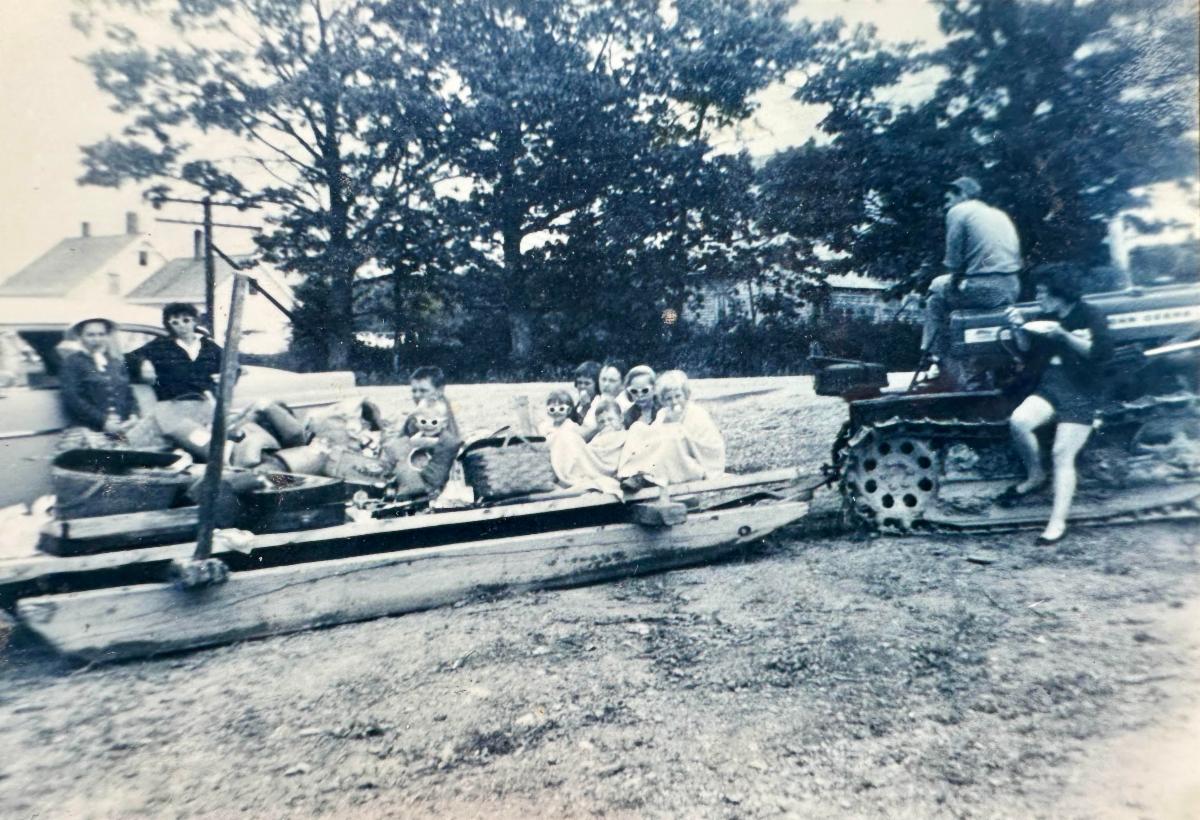
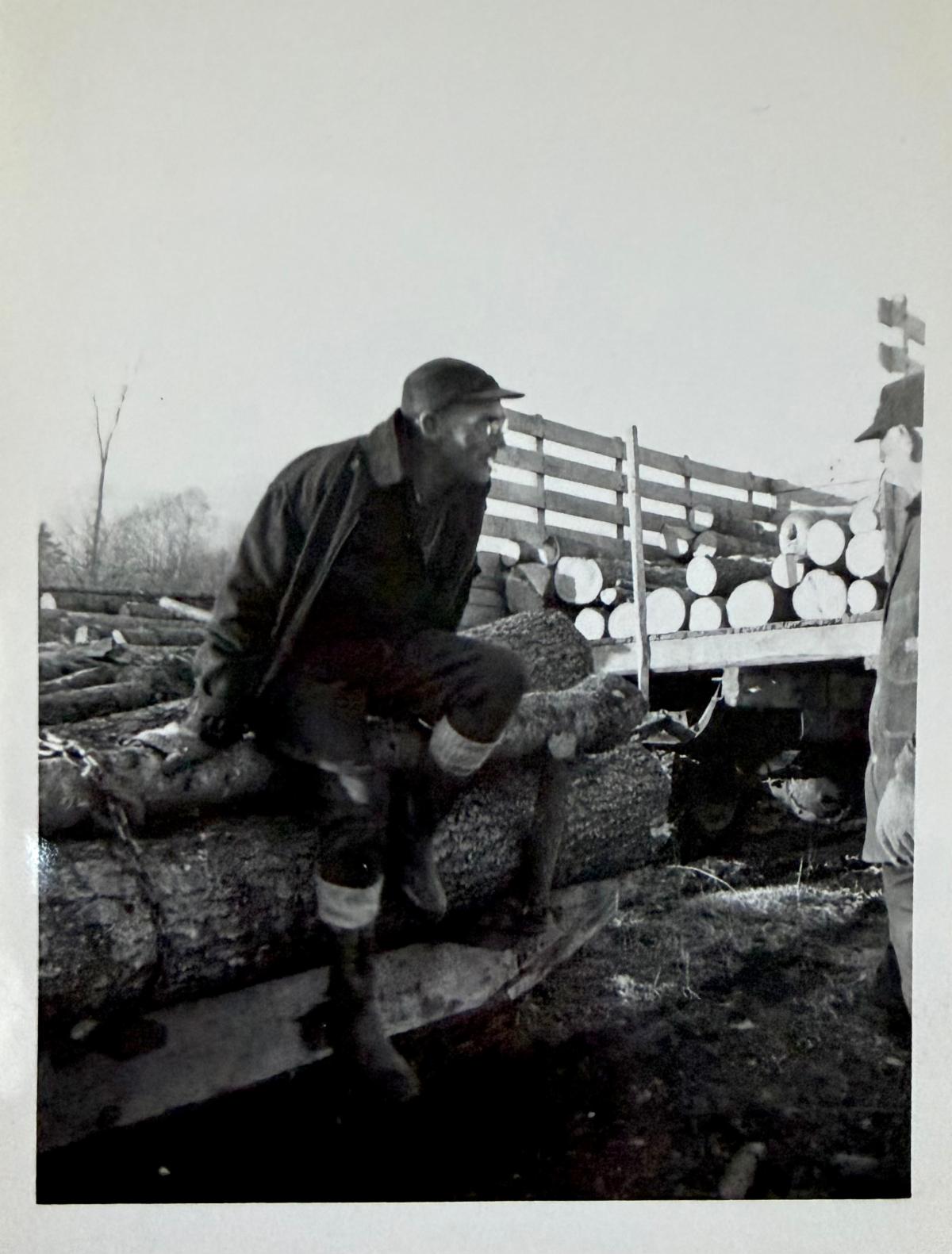
From left to right: James Austin, Norris “Buster” Austin (driving tractor), and Herman Austin. Photos provided by Libby Rosemeier.
When Herman passed away in 1960, James and Buster inherited the business as twenty-something year olds. While this might have seemed like a daunting task, the Austins took it with pride. For a long time, H.W. Austin and Sons was a business from the ground up, with nearly every part of the operation happening right on the property. According to Libby Rosemeier, “Wood was harvested for firewood, lumber and likely a load of pulp wood or two for the paper mills along the Penobscot River.”

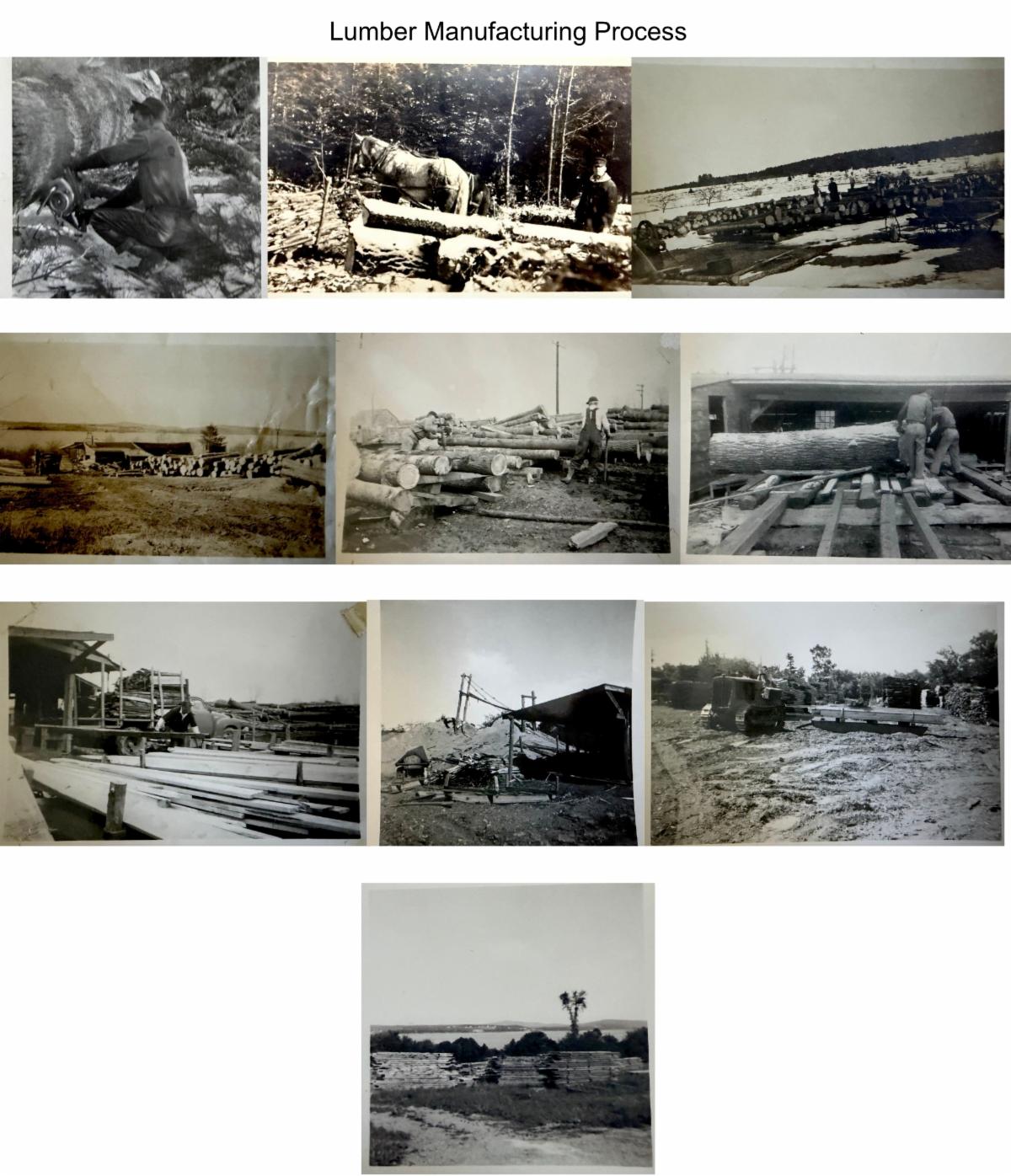
First, trees would be harvested and cut into logs from the Woodlot. Some pines spanned 43+ inches in diameter! James and Buster would go out with chainsaws and selectively cut sections of the property to be hauled out to the sawmill via tractor. The logs would then be processed at the sawmill into lumber, firewood, wood chips, and sawdust shavings. After processing, the products would be stacked and quality graded. Occasionally, family friends would help grade the lumber. Finally, a Yard Man would help customers select the product of their needs and load it up for them. The Austin kids even helped by running to the “nail shed,” an addition to the barn containing all the nails a carpenter could ever need!

Photos provided by Libby Rosemeier.


As the business grew, H.W. Austin and Sons began to get wood from other places. Eventually, they had to outsource their lumber as well because they were so busy!

In addition to running a lumber yard, James and Buster worked as carpenters in the community – building, rebuilding, and refurbishing various structures. They worked across the peninsula and beyond, including the towns of Brooksville, Castine, and Penobscot.

As the Austin brothers aged, the Woodlot became their retirement. While the brothers had a gravel pit in Orland that helped support their retirement, the Woodlot was how the family paid their taxes, put food on the table, helped support their children through college and made their living over the years. The Woodlot was their livelihood.

Not only was the Woodlot a place of commercial hustle and bustle, but it was a place of family and community.

The property was a great area for hunting, trapping, skiing, tipping, snowshoeing and hiking. In the summer, the Austin family (extended members and all), could be found picnicking and picking blueberries. During the fall and winter, the men would have extensive hunting days traveling through the Woodlot. They would start the day by fueling up on a hot breakfast at Bob Leach’s house on the New Road, go hunting for a few hours, then swing by the Austin family house where Libby’s mother would have homemade donuts for the party.

Many community members would join in on the fun. When times were hard, they supported one another. Someone needed extra help? The Austins were there. Money was tight? Neighbors would buy an acre or two off of one another. Having trouble with food? Extra meat and home grown vegetables would seem to magically appear.

The Woodlot provided for all. It is truly a “community” forest.

Interview with Libby Rosemeier – September 17, 2026

By Emily Siedel 

When asked about some of her favorite memories on the property, Libby Rosemeier reflected on the time she spent on the Woodlot with her father and uncle:

“Just being out here with my dad and my uncle. Any time I was out. Every time I’m out here – I feel my dad and his brother. They spent a lot of time in the Woodlot. They knew every inch of the property and the wildlife that lived on or passed through it. Looking back on their relationship with this particular piece of land, I think it was sacred to them. I know that is how I feel about it.”

Libby also looked back fondly on Clements Brook. She recalled:

“The brook may be my favorite part of this property. When you are out in the middle of the woods walking, all of sudden you hear the brook! It is just magical.”

However, the Woodlot represents more than treasured family memories. It is deeply connected to the Austin family’s history and those who depended on the land for centuries. When asked what the property means to her, Libby explained:

“It means livelihood. We’ve always known this is a part of who we are. I often think about all those people who came before me, that were relying on this place for survival. If you weren’t at sea, you were out in the woods, and if you cut wood, you probably had a garden or went fishing. This place is home.”

That deep sense of history, place, and connection ultimately shaped the family’s decision about the property’s future. After many conversations between the Austin siblings and with Blue Hill Heritage Trust, James’s children decided to sell the property to the Trust. The decision was rooted in community and conservation.

“This land sustained our family for generations. At this point, my siblings and I do not need to use this land in such a way. As new stewards of this property, we have talked about what we would like to do with it and, after researching BHHT and many conversations, we knew that was what we wanted for this property. We also think that this is what James and Buster would want. It would be a shame to see the Woodlot developed. It would lose its distinct identity. BHHT could accomplish what we, as individuals, could never do.”

With the addition of the Austin parcel, BHHT will have conserved 1,270 acres on and around Wallamatogus Mountain. By conserving the parcel, habitat will be protected, culturally significant lands will be safeguarded, and a place that many call home will continue to be stewarded for generations.

The public will be able to visit the property in the near future. And when you walk through the forest, just know that when you see an old tree stump blanketed in moss, that tree was cut years ago to support a family, a business, and a community.